Most “best seating chart maker” lists picture a wedding. One couple, two sets of parents, a handful of friend tables, a guest list that prints on a page. A quinceañera is a different animal. The guest of honor is fifteen, the family is enormous, there is a choreographed waltz with a court of up to fifteen people, and the padrinos who paid for half the night expect to be seated where they can watch their investment shine.
The seating chart for a quince has to do three jobs a standard chart never touches: stage a corte de honor right at the dance floor, place padrinos by the role they sponsored, and hold a guest count that routinely clears 250. Most generic tools were never built for any of that.
Here is the honest version for the mom, the planner, or the quinceañera herself doing the seating: what a quince actually demands from a chart, how to seat the court and the padrinos without a day-of scramble, and which tool earns the job.
The short version: A quinceañera chart has to seat a corte de honor (the damas and chambelanes) together at the dance floor for the vals, place padrinos by what they sponsored, and hold 150 to 300-plus guests of extended family. You want a blank canvas you can shape, a Spanish-language app, and import that swallows a long list. SeatCanvas runs in English and Spanish, seats 40 free with full canvas, import, and export, then $19.99 one-time for unlimited — which fits because quinces skew big. Import the list, stage the court by the floor, group the padrinos by role, and export one clean PDF for the salón.
Why a quinceañera is a different chart
A wedding chart answers one question: who sits with whom. A quince chart answers that plus two more — where does the court go, and where do the padrinos go — and it answers them under a guest count most weddings never hit.
The pieces that break a generic tool:
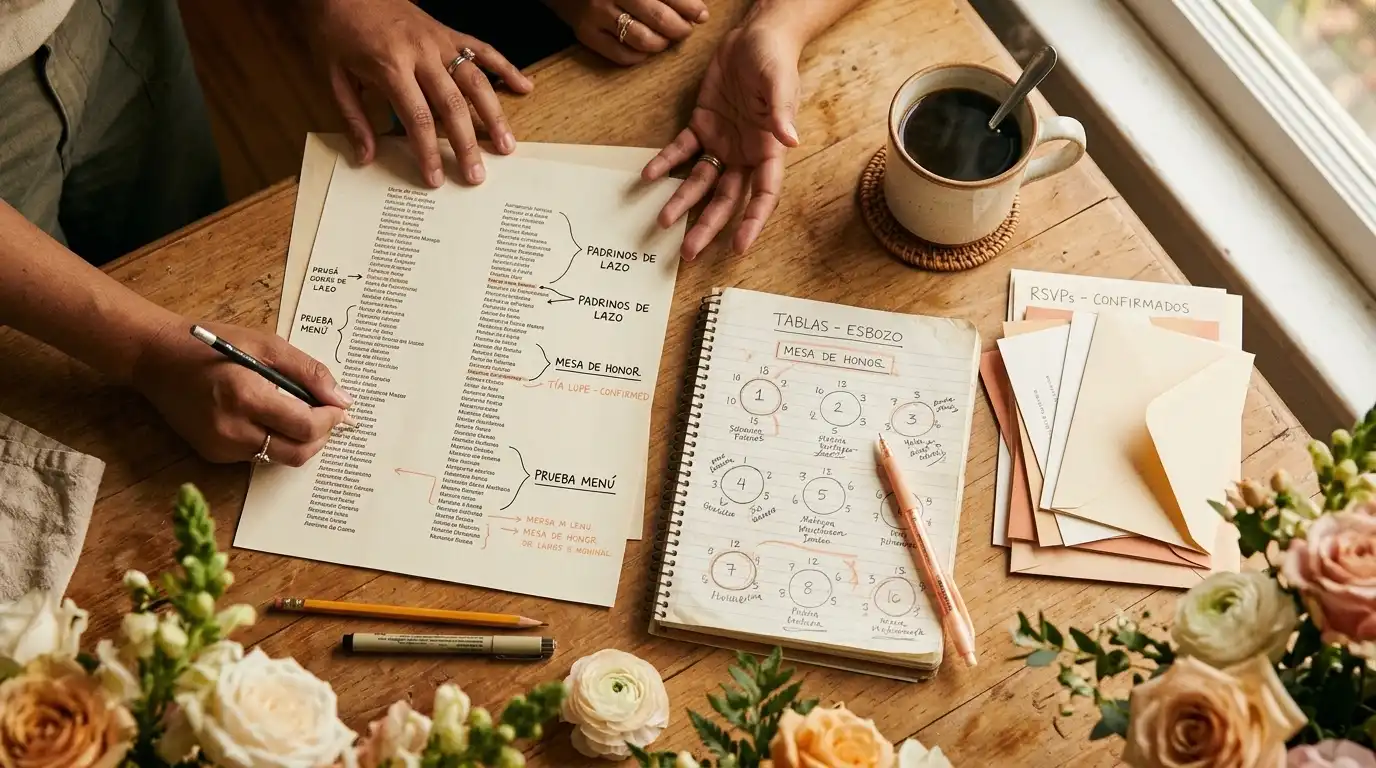
- The corte de honor. The court runs from seven pairs to fourteen, plus the quinceañera. That is up to thirty young people who open the night with the vals, get pulled into photos for hours, and have to move as one group. Scatter them and the choreography falls apart.
- The padrinos and madrinas. Sponsors funded the dress, the cake, the hall, the vals lessons. They are not background guests. They sit close, and ideally grouped by what they sponsored, so the brindis can name them table by table.
- A guest list built on extended family. Primos, tíos, abuelos, compadres — all treated as immediate. A quince list of 250 is normal and 350 happens. The chart that comfortably holds 60 wedding guests is the wrong tool here.
- Two languages at the same party. Half the room reads the menu in Spanish, half in English, and the abuelos do not care which. The planning tool itself should speak both.
None of this is a reason to dread the seating. It is the reason a quince chart has to be better than a wedding chart, and the reason the tool you pick actually matters.
What a quinceañera needs from a seating tool
Try SeatCanvas — Free
Build your seating chart visually. Import guests, drag to tables, export a print-ready PDF.
Start Planning Free →Feature-count rankings miss it. A quince rewards a short, specific list of capabilities and ignores most of the rest.
A canvas, not a fixed template
Salones and reception halls come in every shape — an L-shaped room, a hall with a stage on one end, a backyard with a rented tent. A template that opens to a stock rectangle with the dance floor pre-placed fights you on day one. You want a blank canvas where you draw the actual room: the floor where the vals happens, the head table, the DJ or banda, the cake table the padrino paid for.
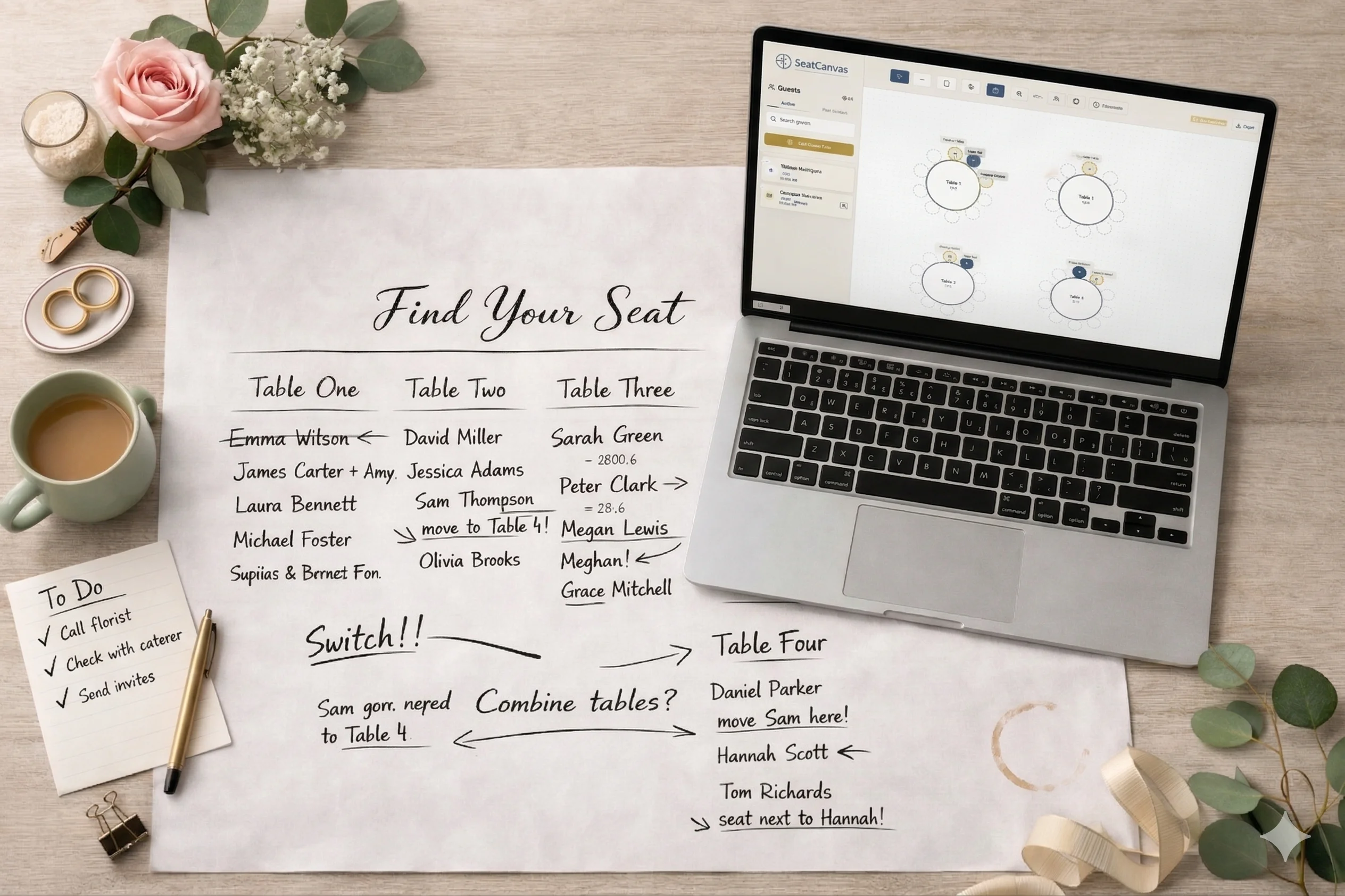
SeatCanvas opens empty. You draw the room and drop tables where the real ones go, round or rectangular, and arrange them around the dance floor instead of around a template’s guess. The court tables land where the choreography needs them. The padrino tables land in camera range. For a full breakdown of court and guest placement, see our 150-guest quinceañera seating chart example.
A Spanish app, not a translated menu
This one is non-negotiable for a lot of families. If tía Rosa is helping with the seating, the tool should be in her language. SeatCanvas runs fully in Spanish at /es — the canvas, the guest list, the planner, the billing. Type names with tildes and the ñ and they render right on the canvas and in the printed PDF. The Mexican wedding seating guide covers the same bilingual mechanics in more depth, and they apply just as cleanly to a quince.
Import that survives a 250-row list
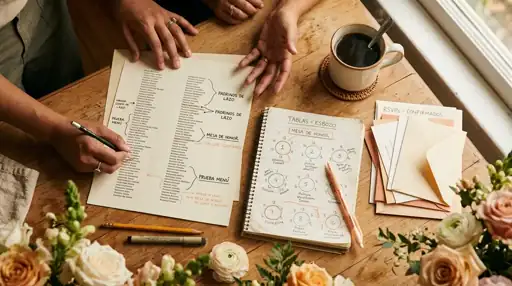
A quince list is long, and it usually already lives in a spreadsheet — the one the family has been editing for months, with columns for the lado de la familia and the dietary notes and who is a padrino. Retyping 250 rows by hand is a wasted evening.
Hand the spreadsheet to the tool. SeatCanvas has a CSV and Excel guest list import that maps your columns — including Spanish headers — and pulls plus-ones in as their own seats. A 250-row sheet lands in a couple of minutes.
A real export for the salón
The hall wants a floor plan to set the tables. The caterer wants meal counts. The DJ wants to know where the court sits so the vals intro points the right direction. That is three handoffs, and they run on one clean file. SeatCanvas does high-quality PDF and PNG export plus a CSV of the guest-to-table mapping. One PDF to the salón, one count to the caterer, one printed copy for the welcome table.
The shortlist for quinceañeras
Honest reads on the tools that come up, judged against the quince problems above.
SeatCanvas
Best for: any quinceañera where the family is large, the court is staged at the floor, and somebody in the planning group would rather work in Spanish.
Free up to 40 seated guests with the full canvas, import, and export — enough to draft the corte de honor and the immediate family before you commit. $19.99 one-time for unlimited, which covers the 200-to-300-guest celebrations a quince tends to produce. No subscription that outlives the party, no watermark on the PDF the salón works from.
The honest limitation: SeatCanvas plans the seating, not the rest of the quince. It will not book your banda, choreograph the vals, or track which padrino still owes for the cake. It draws the chart those vendors and that family need — which is the one artifact a quince is missing until you build it.
Pen and paper
Best for: a 30-guest backyard quince with three tables and no court.
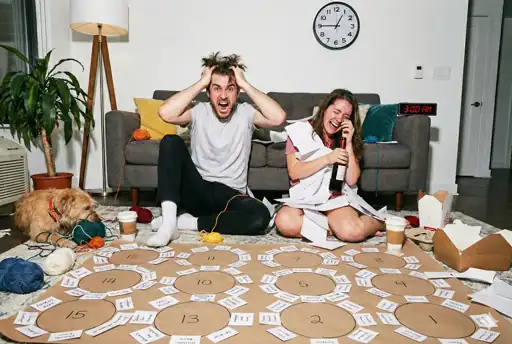
Free and quick at that size. It collapses the moment the list grows or the court changes. The third reshuffle when two damas drop out and a primo’s family of five RSVPs late turns the page into an eraser smudge. Past a few tables, paper loses to a quince’s revision count.
Wedding-planning suites (The Knot, Zola, and similar)
Best for: families already living inside one of those platforms — though most quince families are not.
The seating modules are built around a wedding, with wedding language and a wedding’s smaller-room assumptions. They have no concept of a corte de honor or a padrino, so you bolt those on by hand anyway. If you are not already in the suite, do not adopt a whole wedding ecosystem for a fifteenth birthday. The Knot seating chart breakdown covers the trade-offs.
Subscription seating sites
Best for: nothing about a one-day event.
A monthly bill for a chart you build once is the wrong shape. The quince is one day. The chart is one project. Pay once or pay nothing — a recurring charge that lands the month after the thank-you notes does not fit an event with a hard end date. The free seating chart maker breakdown walks through why.
The quinceañera seating playbook
This assumes a guest list in a spreadsheet and a known hall. Work it in one focused sitting, then a short second pass once the late RSVPs land.
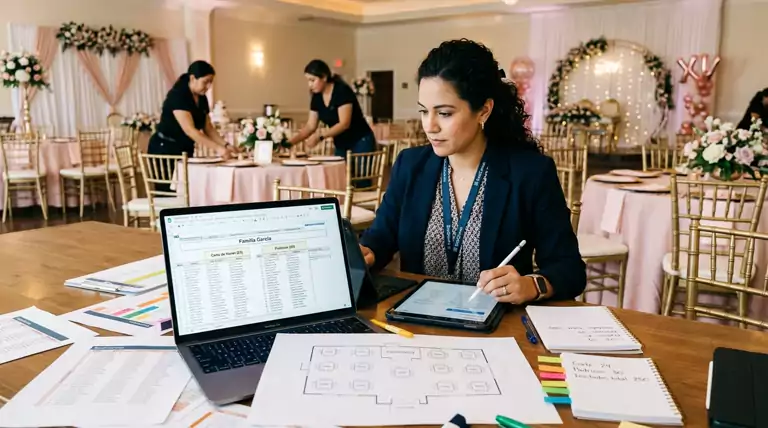
Draw the room first. Open the SeatCanvas planner. Draw the hall outline, then block out the fixed pieces — the dance floor where the vals happens, the head table, the DJ or banda, the cake table, the bar. Everything else fits in the space that is left.
Import the guest list. Drop your CSV or Excel file, map the columns, confirm. Spanish headers work. Plus-ones come through as their own seats. A long quince list is exactly the case where import earns its keep.
Stage the corte de honor. Place the damas and chambelanes together at one or two tables right beside the dance floor. They open the night and they live in the photos. Keep the chambelán de honor next to the quinceañera’s table. Resist spreading them out — every choreography cue depends on the court being in one place.
Seat the family table. The quinceañera, her parents, and often the abuelos at the head or family table. Both sides of the family, closest in. This is the anchor the rest of the room reads off of.
Place the padrinos by role. One or two tables back from the family, in camera range of the vals and the brindis. Group them by what they sponsored when you can — padrinos de vals together, de vestido together, de pastel together. The toast can then thank them table by table.
Fill the room. Tíos and primos in family clusters, friends of the quinceañera in another, parents’ friends in another. Seat the late-RSVP stragglers next to a talker, not next to each other.
Export everything. PDF to the salón so the table set matches the plan. CSV to the caterer for meal counts. A printed copy for the welcome table. Save the project so you can reshuffle when the last RSVPs trickle in — and they always do.
A general step-by-step lives in how to create a wedding seating chart; the mechanics transfer cleanly to a quince. If your celebration is running past 200 guests, the large-event seating guide covers the high-count details. If the same hall is hosting a company party later, the corporate event seating chart guide maps that version — sponsor tables, a program, and meal counts by table.
The vals is the whole reason the court sits where it sits
The vals — the formal waltz the quinceañera dances with her court and her father — is the centerpiece of the night. It is choreographed, rehearsed for weeks, and shot from every angle. And it falls apart if the court is scattered across a 250-person room.
Stage the corte de honor at the dance floor and the vals runs itself. The DJ calls it, the court is already there, the photographer knows exactly where to stand, and the transition from dinner to the dance takes thirty seconds. Scatter the damas at table 4, table 11, and table 19, and the same moment becomes a five-minute roundup while 250 guests watch the floor sit empty.
The chart is where you solve that, weeks ahead, not on the night. Put the court by the floor, mark the path the father walks to cut in, and the most-photographed three minutes of the party have a stage instead of a scramble.
What to skip for a quinceañera
Three temptations, all dressed up as being thorough.
Modeling the whole hall to scale. You are drawing a seating plan, not a blueprint. Mark the dance floor, the head table, the cake, and the stage. The exact width of the coat closet is the salón’s problem. An hour spent drawing a perfect room is an hour not spent on the actual seating.
A seating chart for the misa. The mass before the reception is open seating — family in the front pews, guests behind, a reserved sign on the first few rows. It does not need a chart. The reception is where the real plan lives. Build one chart, not two.
Color-coding everything. Useful when the caterer needs to flag three meal options across 25 tables. Overkill for a 60-guest quince where one phone call covers the dietary notes. Save the color logic for the size that actually needs it.
A quince chart is a room, a court at the floor, the padrinos in camera range, and a printed copy for the door. Everything past that is decoration.
Common questions
What is the best seating chart maker for a quinceañera?
SeatCanvas. It runs in Spanish and English, imports a guest list from Excel or Google Sheets so you skip retyping 200 names, and exports a print-ready PDF for the salón. The free tier seats 40 guests with the full canvas, which covers the corte de honor and immediate family. Past 40 the Event Pass is $19.99 one-time, which matters because quinceañeras run large and you do not want a subscription chasing you after the party.
How do you seat the corte de honor at a quinceañera?
Seat the damas and chambelanes together at one or two tables right beside the dance floor. They open the vals, they get pulled into photos all night, and they need to move as a group. Keep the chambelán de honor next to the quinceañera’s table. Avoid scattering the court across the room, because every choreography cue and every photo turns into a search party if they are spread out.
Does SeatCanvas work in Spanish?
Yes. The whole app runs in Spanish at /es — canvas, guest list, planner, and billing. The CSV import accepts Spanish column headers like Nombre, Acompañante, Lado, and Alergias, and the PDF export prints with whatever you typed. Tildes and the ñ render correctly on the canvas and in the export.
How many guests does a quinceañera usually have?
Most quinceañeras I have seen land between 150 and 300 guests, with family-heavy celebrations pushing past 350. Extended family — primos, tíos, abuelos, compadres — is treated as immediate, and the padrinos bring their own families, so the list grows fast. Pick a tool that holds the full count without charging per seat.
Where do padrinos sit at a quinceañera?
Padrinos sit close to the quinceañera and her parents, usually one or two tables back from the family table, near enough to be in the vals and brindis photos. Group them by role when you can — padrinos de vals, de vestido, de pastel — and keep the most involved sponsors closest. They funded the party, so seat them where they can see it.
A quinceañera is a wedding-sized party thrown for a fifteen-year-old, with a court, a waltz, and a family tree that fills the room. The seating is the part that makes the night run — the vals on cue, the padrinos in frame, the abuelos off the speaker. Pick a tool that lets you draw the real hall, stage the court at the floor, and hand a clean PDF to the salón, and the chart stops being a chore.
If you want to see it come together, open SeatCanvas and draw your hall. The first 40 seats are free. If your quince runs bigger — and they usually do — the Event Pass is $19.99 one-time, and the whole thing, court and padrinos included, lives in one place, in your language.
✦ Google Preferred Source
Want to see more SeatCanvas stories on Google?
You can ask Google to show SeatCanvas more often in your own Top Stories and supported Google experiences. This personalizes your account; it does not raise SeatCanvas for everyone.
Google's control loads only after you choose Continue with Google.